
Straight Lay Tile Pattern
Straight Lay Tile Pattern - Devin kimmel, architect and managing principal of kimmel studio architects, says that classic. Web yes, tile herringbone patterns look great. Since the layout can look dull when used with neutral tiles, you can incorporate color or stripes to make it more interesting. This post will cover these three things: 1/3 stretcher bond is a favourite tiles pattern. Find fresh inspiration, design ideas, installation tips & more for your next project. Web what is a diagonal tile pattern layout. Web simply lay them in a herringbone pattern and line them with round marble penny tiles. In a straight or standard tile installation, the tiles are usually parallel to the walls of the room. A super simple way to get started; This creates a uniform, clean look that works well in modern, minimalist, or traditional spaces. Probably the most common pattern, but that doesn’t make it boring. Kyal & kara help us with the super fun task of choosing your tile laying pattern. Choosing a tile laying pattern is so much fun! This makes it a very common option, especially if you will be completing a do it yourself project or are new to the tiling world. Because of its simplicity, the straight lay/standard tile grid pattern blends easily with a room’s other design patterns. And it can be used in just about any room or space where you’d like to add tile both indoors and out. It involves installing tiles in a straight line, with each tile aligned with the one next to it. This pattern works well in both small and large spaces, creating a clean and minimalistic look. With a straight lay pattern, tile is laid one after another in a straight grid pattern, with corners matching up, and grout applied in intersecting lines. This pattern works well in both small and large spaces, creating a clean and minimalistic look. Web simply lay them in a herringbone pattern and line them with round marble penny tiles. Web a straight tile pattern, also called a stacked pattern, is the easiest and most common layout. 21 white bathroom ideas for a sparkling space. Web the straight. The most common tiling pattern is to stack bond your tiles. Probably the most common pattern, but that doesn’t make it boring. With a straight lay pattern, tile is laid one after another in a straight grid pattern, with corners matching up, and grout applied in intersecting lines. Compare diagnol, herringbone, chevron, basketweave, hexagon and mosaic tiles to add texture.. This simple yet timeless pattern is ideal for creating a clean and minimalist look in any space. This pattern works well in both small and large spaces, creating a clean and minimalistic look. It is often used on the floor, wall, countertop, backsplash, and patio just to name a few. More on this towards the end of. Web the straight. Web yes, tile herringbone patterns look great. Web the straight lay tiling pattern is the most versatile layout option. The diagonal pattern creates an optical illusion of spaciousness, while the straight pattern offers a clean and modern look. The most common tiling pattern is to stack bond your tiles. Stretcher bond or brick bond for a classic design. This gives you maximum flexibility to mix and match with any. The most common tiling pattern is to stack bond your tiles. Web simply lay them in a herringbone pattern and line them with round marble penny tiles. A straight lay is also referred to as a stack bond. Basic and easy to install, tiles are laid squarely on top. This makes it a very common option, especially if you will be completing a do it yourself project or are new to the tiling world. First, i’m going to assume you are using modular tile. Web a straight tile pattern, also called a stacked pattern, is the easiest and most common layout. Because of its simplicity, the straight lay/standard tile. Web straight lay pattern (or stack bond) the straight lay pattern will be one of the simplest patterns someone can choose. Compare diagnol, herringbone, chevron, basketweave, hexagon and mosaic tiles to add texture. Kyal & kara help us with the super fun task of choosing your tile laying pattern. A super simple way to get started; Probably the most common. 1/3 stretcher bond is a favourite tiles pattern. Web what is a diagonal tile pattern layout. Probably the most common pattern, but that doesn’t make it boring. In the process, you must set square or rectangular tiles horizontally, so they are square to the wall in parallel rows. First, i’m going to assume you are using modular tile. Because of its simplicity, the straight lay/standard tile grid pattern blends easily with a room’s other design patterns. Kyal & kara help us with the super fun task of choosing your tile laying pattern. This simple yet timeless pattern is ideal for creating a clean and minimalist look in any space. The most common tiling pattern is to stack bond. But how do you get started with them? It is often used on the floor, wall, countertop, backsplash, and patio just to name a few. This creates a uniform, clean look that works well in modern, minimalist, or traditional spaces. A super simple way to get started; Web straight lay pattern (or stack bond) the straight lay pattern will be. This post will cover these three things: With a straight lay pattern, tile is laid one after another in a straight grid pattern, with corners matching up, and grout applied in intersecting lines. But how do you get started with them? There are a few things to consider when selecting your tile laying pattern, which we run through here plus give you some funky ideas and inspiration along the way. Web the straight lay tiling pattern is the most versatile layout option. This creates a uniform, clean look that works well in modern, minimalist, or traditional spaces. Web yes, tile herringbone patterns look great. Compare diagnol, herringbone, chevron, basketweave, hexagon and mosaic tiles to add texture. The most common tiling pattern is to stack bond your tiles. Because of its simplicity, the straight lay/standard tile grid pattern blends easily with a room’s other design patterns. Chevron marble floor and wall tile. The diagonal pattern creates an optical illusion of spaciousness, while the straight pattern offers a clean and modern look. It involves installing tiles in a straight line, with each tile aligned with the one next to it. In a straight or standard tile installation, the tiles are usually parallel to the walls of the room. Web explore tile patterns & layout designs by location, size, shape & material at the tile shop. More on this towards the end of.
the clé tile pattern primer Brick tiles, Cle tile, Tile patterns
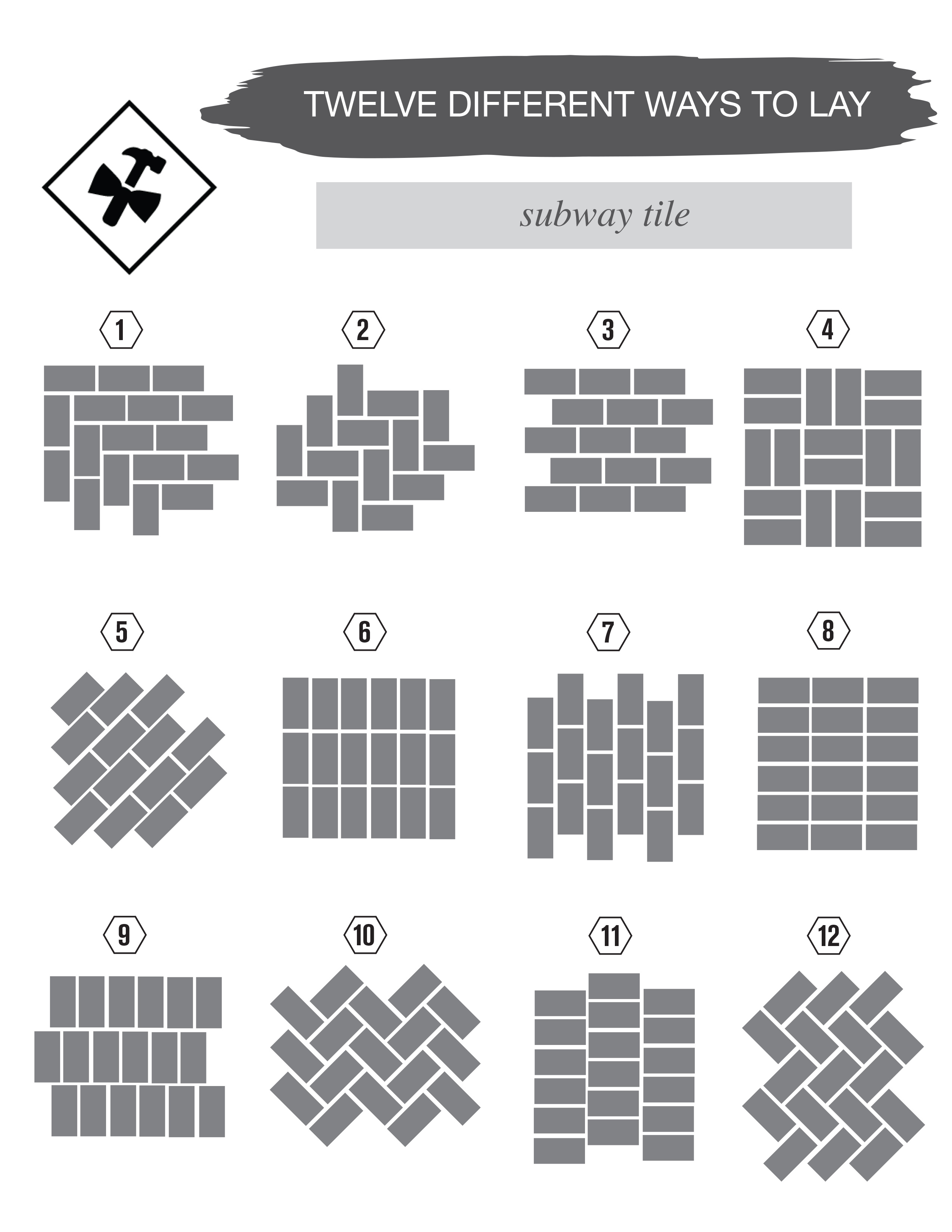
Different Ways to Lay Tile Trinity Tile Trinity Tile

Ready to tackle your own floor tiling? Check out this beginners guide
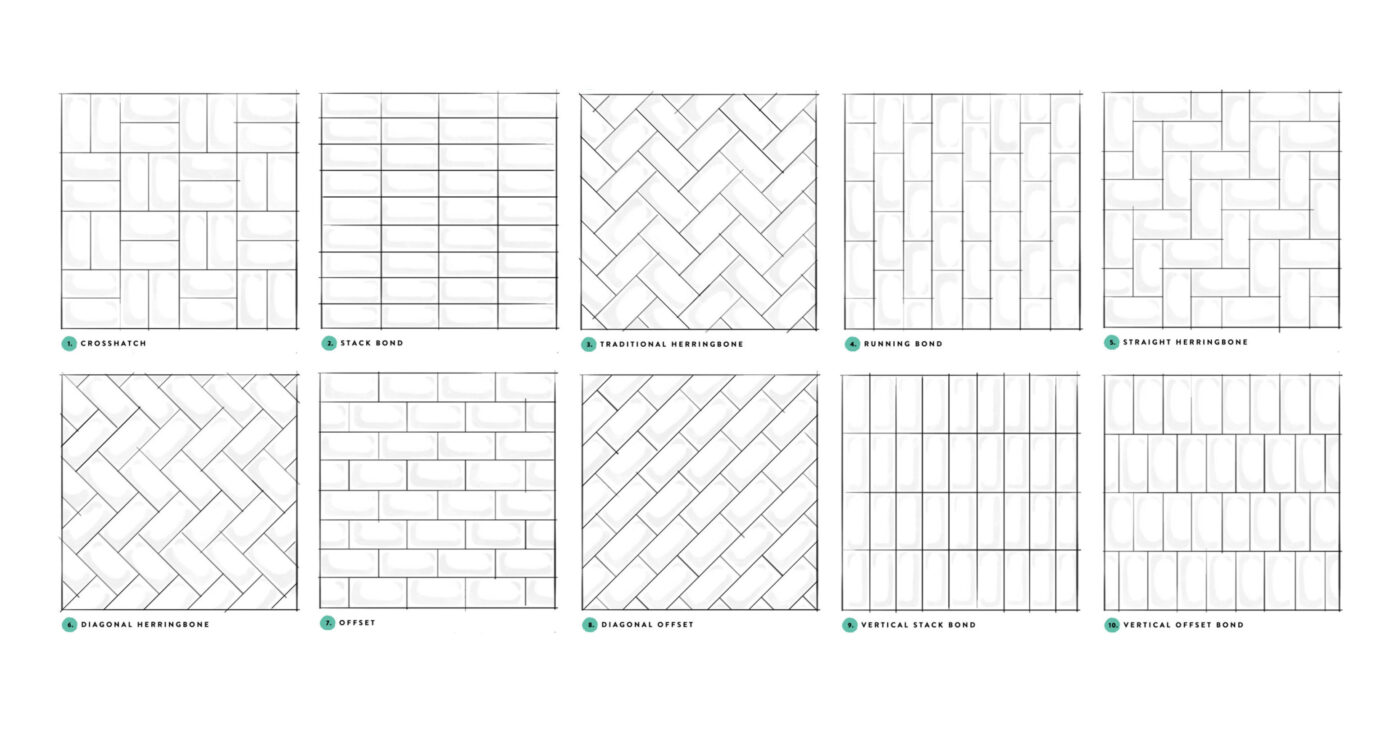
Types Of Tile Laying Patterns Brickwork is a tile pattern which

Tile Patterns (a.k.a. bonds) Wirral Fine Tiling Local Tiler

Tile Patterns The Ultimate Quick Read Beginner’s Guide, Including

Herringbone Tile Pattern Herringbone tile, Herringbone tile pattern

Tile Laying Patterns Pattern Names in 2020 Tile design pattern
The 12 Different Types of Tiles, Explained by Pros, tile
The Tile Pattern Basics Myaree Ceramics
This Makes It A Very Common Option, Especially If You Will Be Completing A Do It Yourself Project Or Are New To The Tiling World.
Stretcher Bond Or Brick Bond For A Classic Design.
It Is Often Used On The Floor, Wall, Countertop, Backsplash, And Patio Just To Name A Few.
In The Process, You Must Set Square Or Rectangular Tiles Horizontally, So They Are Square To The Wall In Parallel Rows.
Related Post: