
Showmanship Horse Patterns
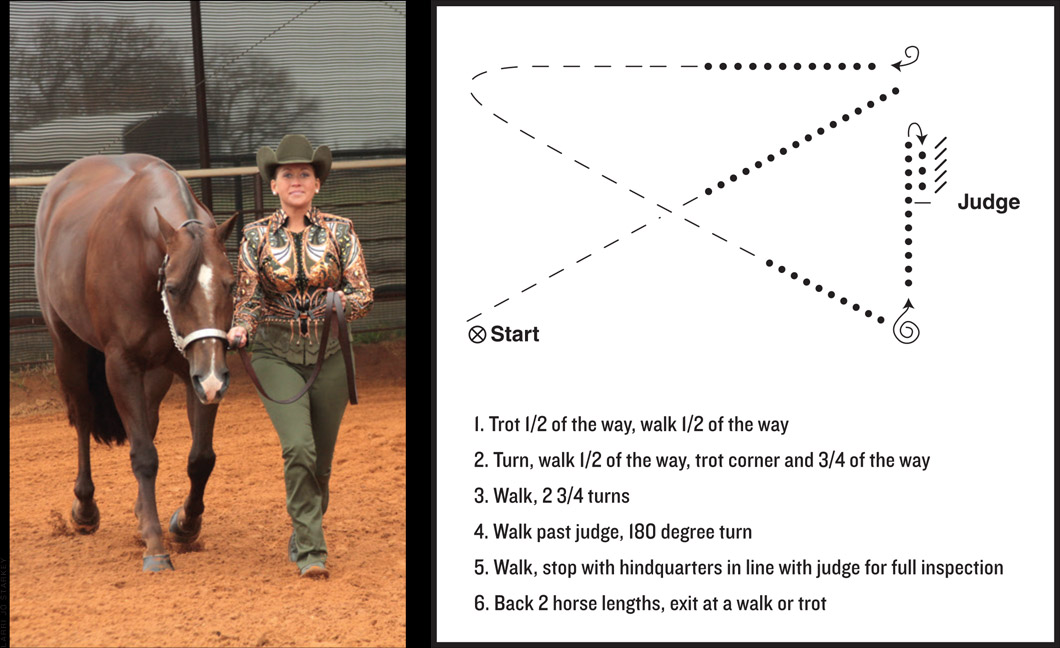
Showmanship Horse Patterns - Web at its core, showmanship consists of six basic maneuvers that are combined in various orders and degrees of difficulty to form a pattern. Click on the graphic to enlarge the pattern (hopefully none are repeats) click on the number of the pattern to open a pdf printable version of the pattern. Web top your showmanship classes with these pattern tips from judge jim becker. You are in the warmup ring, and your horse is banded and brushed to perfection with just a little bit of baby oil on his nose for a shiny touch. Web don’t set off in a pattern class at a horse show without planning just as carefully. These patterns were previously featured in rookie and level 1 classes at aqha level 1 championships, as well as youth, amateur and select amateur at aqha world championship shows. Mastering the showmanship starts at home. The drawn description of this pattern is only intended for the general depictions of the pattern. Contestants should utilize the arena space to best exhibit their horses. Use bands that are contrasting in color to your horse’s mane if your bands are not straight. Here i’ll offer some advice and share different exercises you can practice with your horse to improve your score. How to streamline your routine for quickness and accuracy; Style the mane by banding, braiding or roaching it. The drawn description of this pattern is only intended for the general depictions of the pattern. The horse must be appropriately groomed and clipped, as the exhibitor is being judged on the ability to fit and show a horse in hand. The many maneuvers judges can call for in a showmanship pattern; Every horse should be easy to handle, work effortlessly off his handler’s cues, allow others to approach and move around. Showmanship is a demonstration of the member’s ability to show the animal, in hand, to its best advantage. The same showmanship pattern can usually be used for both english or western showmanship. See why judges, contestants and show managers call us home for their horse show pattern needs. How to streamline your routine for quickness and accuracy; Web horse show patterns.com is your source for customized, professional horse shows patterns. Web follow these tips for maneuvering the patterns during a class. Web how to attain the correct positions beside your horse; See why judges, contestants and show managers call us home for their horse show pattern needs. How to practice a pattern at home; You are in the warmup ring, and your horse is banded and brushed to perfection with just a little bit of baby oil on his nose for a shiny touch. These basics are leading at a walk, leading at a jog/trot, stopping, backing, setting up for inspection, and pivoting. Be ready at cone. Web how to attain the correct positions beside your horse; The drawn description of this pattern is only intended for the general depictions of the pattern. Click on the graphic to enlarge the pattern. And more tips for gaining an edge on other showmanship competitors These patterns were previously featured in rookie and level 1 classes at aqha level 1. Web horse show patterns.com is your source for customized, professional horse shows patterns. Web in english showmanship, horses often have a braided mane, tail, and forelock. Want to ace your next showmanship run? Web showmanship beginner and 13 & under b a judge 1. Mastering the showmanship starts at home. These basics are leading at a walk, leading at a jog/trot, stopping, backing, setting up for inspection, and pivoting. Click on the number of the pattern to open a pdf printable version of the pattern. See why judges, contestants and show managers call us home for their horse show pattern needs. Conformation of the animal is not considered. How to. Web follow these tips for maneuvering the patterns during a class. How to streamline your routine for quickness and accuracy; The horse must be appropriately groomed and clipped, as the exhibitor is being judged on the ability to fit and show a horse in hand. Want to ace your next showmanship run? Showmanship at halter tests you and your horse’s. Use of these patterns is not required. Here i’ll offer some advice and share different exercises you can practice with your horse to improve your score. Trot to and around cone b in an arc. Web learn from three top competitors as you and your horse prepare for challenges of patterns and the showmanship class. The many maneuvers judges can. Be ready at cone a. The horse must be appropriately groomed and clipped, as the exhibitor is being judged on the ability to fit and show a horse in hand. Back up one horse length. And more tips for gaining an edge on other showmanship competitors Web at its core, showmanship consists of six basic maneuvers that are combined in. Web in english showmanship, horses often have a braided mane, tail, and forelock. Web learn from three top competitors as you and your horse prepare for challenges of patterns and the showmanship class. Web showmanship beginner and 13 & under b a judge 1. Conformation of the animal is not considered. Every horse should be easy to handle, work effortlessly. From horse & rider magazine. Use bands that are contrasting in color to your horse’s mane if your bands are not straight. The drawn description of this pattern is only intended for the general depictions of the pattern. Web learn from three top competitors as you and your horse prepare for challenges of patterns and the showmanship class. Web follow. These patterns were previously featured in rookie and level 1 classes at aqha level 1 championships, as well as youth, amateur and select amateur at aqha world championship shows. Click on the number of the pattern to open a pdf printable version of the pattern. Trot to and around cone b in an arc. The horse must be appropriately groomed and clipped, as the exhibitor is being judged on the ability to fit and show a horse in hand. Before your class, close your eyes and visualize you and your horse performing the pattern confidently and flawlessly. Web the purpose of showmanship is to teach courtesy, good grooming, poise, confidence, and how to fit, train, and handle your horse. Shannon vroegh and charlene carter give their top three practice tips to help you toward that perfect pattern. These basics are leading at a walk, leading at a jog/trot, stopping, backing, setting up for inspection, and pivoting. And more tips for gaining an edge on other showmanship competitors At bottom of arc walk straight to judge. Be ready at cone a. Style the mane by banding, braiding or roaching it. Attire may be western or english. Back up one horse length. Always check the pattern against the project assessment checklist found in horse project books to make sure it meets your expectations. Click on the graphic to enlarge the pattern.
Pin by Kaitlynn (Rossman) Miller on Patterns Showmanship

Use this showmanship pattern to practice your maneuvers AQHYAWorld
Robin Frid Ride the Pattern Showmanship

Showmanship pattern Showmanship patterns, Showmanship, Horsemanship

Showmanship Practice Patterns

Showmanship Horse Show Pattern. Checkout the Level 1 Championship Show

4H Western Horsemanship Level 2 Patterns Ravalli County Extension

AQHA Small Fry horsemanship pattern Showmanship Patterns, Horsemanship

Horse show patterns Showmanship finals pattern for the 2016 Ford

Try this Showmanship at Halter pattern from the 2013 Adequan Select
The Many Maneuvers Judges Can Call For In A Showmanship Pattern;
Mastering The Showmanship Starts At Home.
Web Showmanship Beginner And 13 & Under B A Judge 1.
Web Don’t Set Off In A Pattern Class At A Horse Show Without Planning Just As Carefully.
Related Post: