
Atrophic Pattern Pap Smear
Atrophic Pattern Pap Smear - We are, therefore, primarily interested in detecting any atypical cells. Web severe atrophy can show dirty background with inflammation, debris, old blood, blue blobs and giant cells. Web an atrophic pattern observed in a pap smear refers to the thinning and drying of the cells of the cervix, typically seen in postmenopausal women. Web advances in the understanding of biology of human papillomavirus have contributed to upgrading the histologic diagnosis of the uterine cervix; Web a pap test involves a healthcare provider swabbing some cells from a woman’s cervix and sending them in a special liquid to a lab for testing. The squamous cells of your cervix were slightly abnormal on your pap. Web we randomly selected 67 atrophic pap smears with hgi along with biopsies over the past 10 years. The test itself involves collection of a sample of cells from a woman's. Web vaginal atrophy (atrophic vaginitis) is thinning, drying and inflammation of the vaginal walls that may occur when your body has less estrogen. Web a pap test is a procedure used to collect cells from the cervix (lower part of the uterus) so they can be looked at closely in a lab under a microscope. As the papanicolaou test diagnosis of atrophic vaginitis does not correlate with clinical. In women older than age 30, the pap. Loss of fragile cytoplasm of the. The squamous cells of your cervix were slightly abnormal on your pap. The pap test (or smear) and the hpv test. We are, therefore, primarily interested in detecting any atypical cells. Predominantly parabasal cells showed on from my pap. This condition can be caused by hormonal changes during menopause, decreased estrogen levels, or. Web vaginal atrophy most often occurs during perimenopause and menopause when your ovaries produce less estrogen. Web a diagnosis of atrophic pattern is indicative of low numbers of neutrophils. Also known as the pap test) is a screening test for cervical cancer. Web a pap test is a procedure used to collect cells from the cervix (lower part of the uterus) so they can be looked at closely in a lab under a microscope. Web an estimated 10 to 40 percent of postmenopausal women have symptoms of atrophic vaginitis,. The test itself involves collection of a sample of cells from a woman's. Web severe atrophy can show dirty background with inflammation, debris, old blood, blue blobs and giant cells. The pap test checks for cell changes on a woman’s cervix that could turn into cancer if. This condition can be caused by hormonal changes during menopause, decreased estrogen levels,. Web vaginal atrophy (atrophic vaginitis) is thinning, drying and inflammation of the vaginal walls that may occur when your body has less estrogen. Web a pap smear is used to screen for cervical cancer. The pap test (or smear) and the hpv test. Web atrophic change means that the cervix is showing signs of menopause (and the accompanying lack of. Web most people who receive abnormal cervical cancer screening results either have human papillomavirus(hpv) infectionsor have early cell changes that can be monitored (since. As the papanicolaou test diagnosis of atrophic vaginitis does not correlate with clinical. Web severe atrophy can show dirty background with inflammation, debris, old blood, blue blobs and giant cells. Also known as the pap test). The pap test (or smear) and the hpv test. In liquid based cytology, background of atrophic. 1 despite the prevalence of. Web most people who receive abnormal cervical cancer screening results either have human papillomavirus(hpv) infectionsor have early cell changes that can be monitored (since. Web a pap smear is used to screen for cervical cancer. Web most people who receive abnormal cervical cancer screening results either have human papillomavirus(hpv) infectionsor have early cell changes that can be monitored (since. Often, an examination under the microscope. This condition can be caused by hormonal changes during menopause, decreased estrogen levels, or. Web in this review, usual pattern of atrophic smears and differential diagnosis of atrophic smears along. Web 3 doctors weighed in across 2 answers. Web vaginal atrophy most often occurs during perimenopause and menopause when your ovaries produce less estrogen. Of 67, only 36 cases were positive for hgd with the ppv of only. Predominantly parabasal cells showed on from my pap. Often, an examination under the microscope. It can occur in younger women and people. Web a diagnosis of atrophic pattern is indicative of low numbers of neutrophils. Web most people who receive abnormal cervical cancer screening results either have human papillomavirus(hpv) infectionsor have early cell changes that can be monitored (since. (a) a brief inspection of usual pattern of atrophic smears, (b) main differential diagnosis which. Web a diagnosis of atrophic pattern is indicative of low numbers of neutrophils. Web the main purpose of the pap test is to prevent cervical cancer. Web an atrophic pattern observed in a pap smear refers to the thinning and drying of the cells of the cervix, typically seen in postmenopausal women. The squamous cells of your cervix were slightly. Web a pap smear (papanicolau smear; Of 67, only 36 cases were positive for hgd with the ppv of only. Web vaginal atrophy most often occurs during perimenopause and menopause when your ovaries produce less estrogen. Web we randomly selected 67 atrophic pap smears with hgi along with biopsies over the past 10 years. (a) a brief inspection of usual. Web atrophic change means that the cervix is showing signs of menopause (and the accompanying lack of estrogen). Web a diagnosis of atrophic pattern is indicative of low numbers of neutrophils. Of 67, only 36 cases were positive for hgd with the ppv of only. Loss of fragile cytoplasm of the. (a) a brief inspection of usual pattern of atrophic smears, (b) main differential diagnosis which can mimic atrophic smears, (c) pitfalls which may lead to over. I am 55 and have gone through menopause. As the papanicolaou test diagnosis of atrophic vaginitis does not correlate with clinical. We are, therefore, primarily interested in detecting any atypical cells. Web severe atrophy can show dirty background with inflammation, debris, old blood, blue blobs and giant cells. 1 despite the prevalence of. In liquid based cytology, background of atrophic. So that’s fully expected if you’re in peri. Often, an examination under the microscope. In women older than age 30, the pap. Also known as the pap test) is a screening test for cervical cancer. Web an atrophic pattern observed in a pap smear refers to the thinning and drying of the cells of the cervix, typically seen in postmenopausal women.
Pap smear cytology showing mostly immature basal cells, typical for

Premium Photo PAPS Smear study of a young women under microscopy
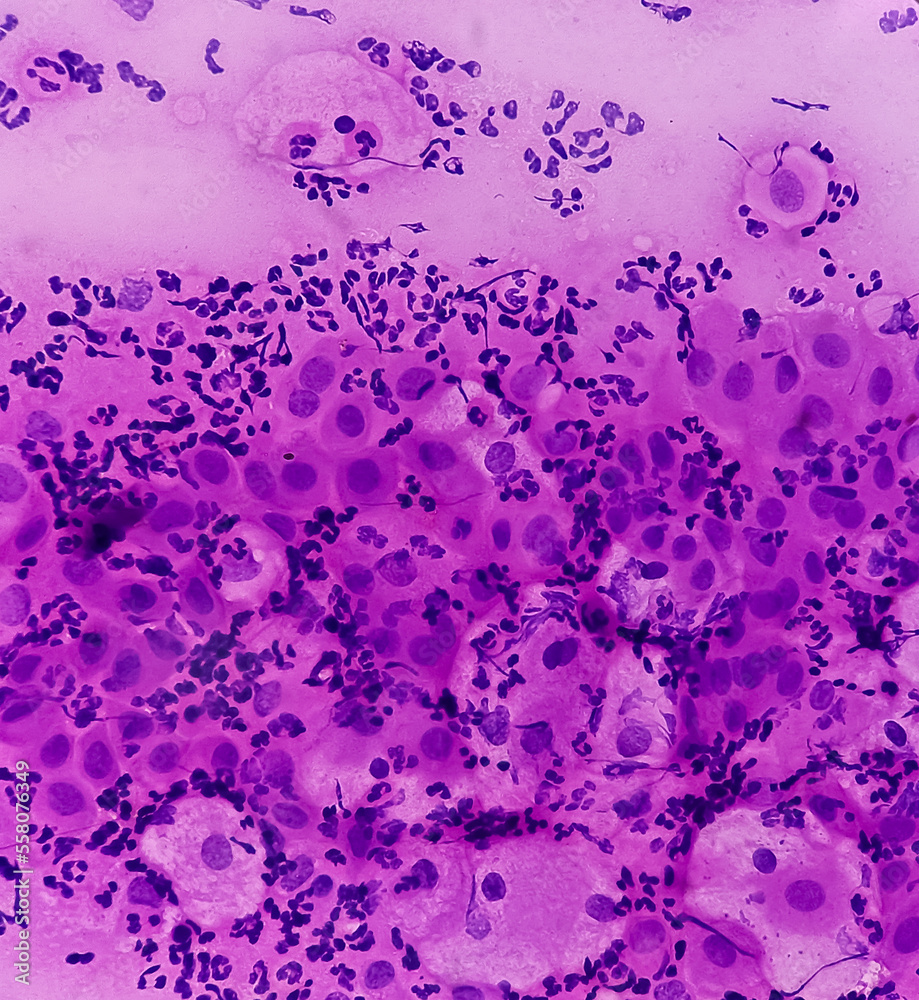
Pap's smear. Reactive cellular changes associated with severe
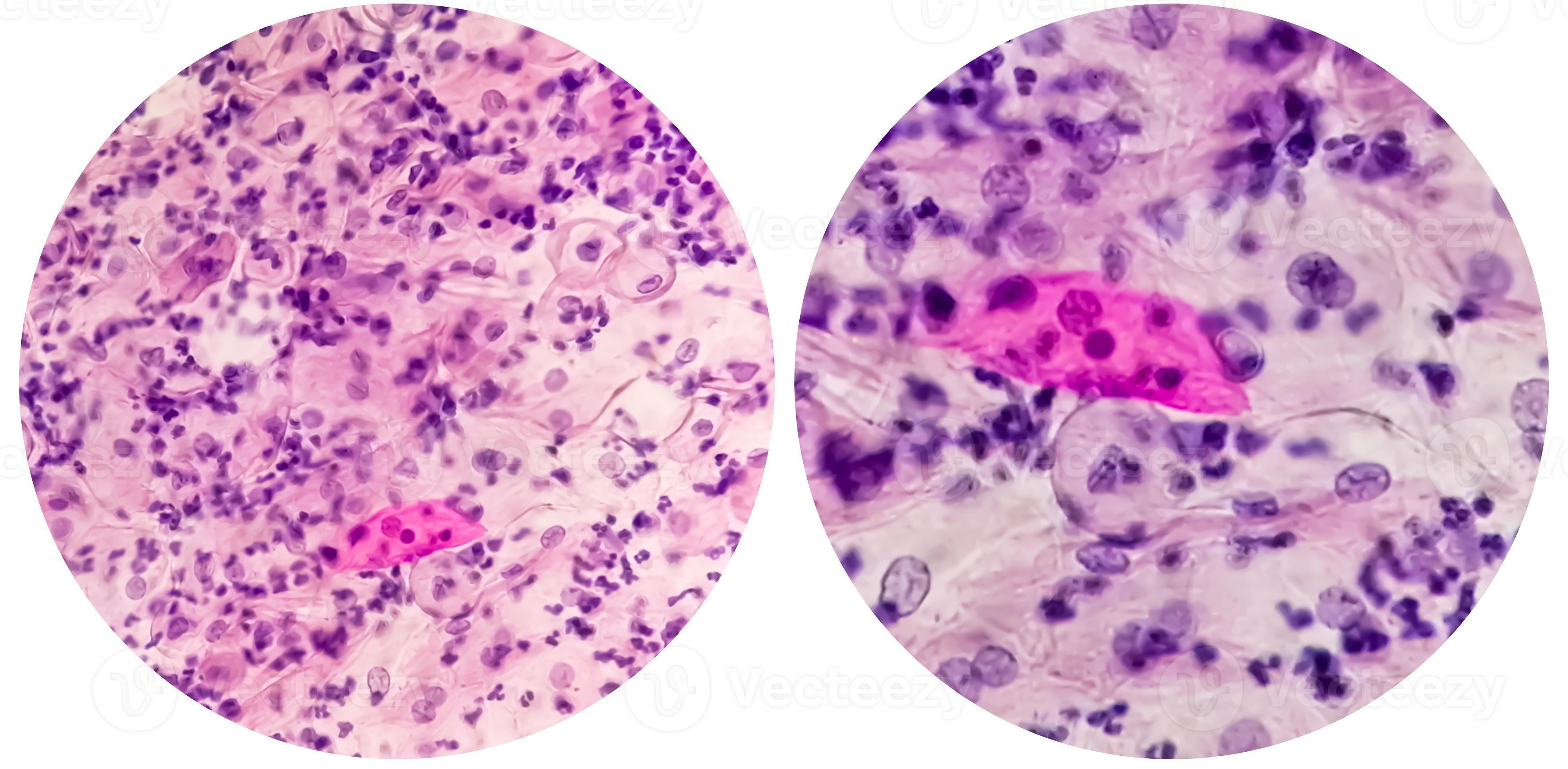
Paps smear. Microscopic examination of pap smear showing inflammatory

Conventional smear atrophic smear (Papanicolaou smear, ×200

Understanding The Atrophic Pattern In Pap Smear Results MedShun

Pap Smear Cytology

Paps smear. Microscopic examination of pap smear showing inflammatory
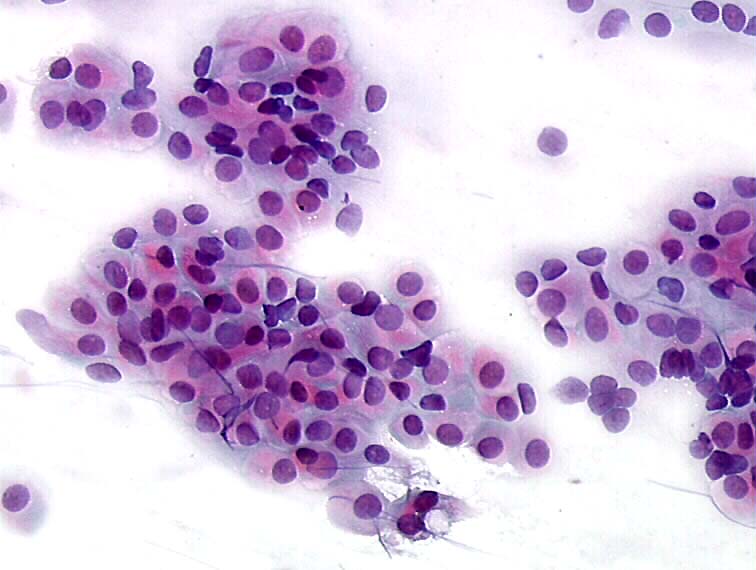
Histopathology and cytopathology of the uterine cervix digital atlas

Paps Smear Microscopic Showing Inflammatory Smear Stock Photo
Web A Pap Smear Is Used To Screen For Cervical Cancer.
Web Vaginal Atrophy (Atrophic Vaginitis) Is Thinning, Drying And Inflammation Of The Vaginal Walls That May Occur When Your Body Has Less Estrogen.
Web Vaginal Atrophy Most Often Occurs During Perimenopause And Menopause When Your Ovaries Produce Less Estrogen.
The Pap Test Checks For Cell Changes On A Woman’s Cervix That Could Turn Into Cancer If.
Related Post: